Previously, Skillz filed a patent infringement lawsuit against AviaGames and ultimately won USD 42.9 million in damages. In that case, Skillz alleged that AviaGames misled players into believing that they were wagering real money against other players, when in fact they were being matched against bots designed to defeat them.
Based on similar claims and litigation strategies, mobile gaming platform Skillz has now accused hyper-casual game publisher Voodoo of “manipulating its tournament results” in Blitz – Win Cash. The lawsuit was filed on July 1, 2024, in the United States District Court for the Southern District of New York, alleging that Voodoo published false advertisements in connection with its real-money game Blitz – Win Cash. Skillz claims that the game is not, as advertised, “fair” or “skill-based,” but instead “manipulates match outcomes through the use of computer algorithms or ‘bots.’”

Pursuant to the Lanham Act and the New York General Business Law, Skillz alleges that Voodoo engaged in false advertising.
On consumer-facing websites and application interfaces, Voodoo claims that its game applications are fair, that outcomes are determined based on player skill, and that no bot players exist within the game. Voodoo further advertises that users of its applications are matched with “players” and “individuals” in real-person competitions. However, according to the allegations, these player pools in fact contain fabricated scores generated through computer algorithms or bot deployments. In addition, Voodoo states within its products that it does not take any commission or revenue share from player wins or losses.
According to Skillz’s complaint, all of these statements regarding fairness, skill-based gameplay, real human opponents, and the absence of economic interests on Voodoo’s part are entirely false. Skillz alleges that Voodoo controls match outcomes and the wins and losses of real players by deploying bots within the game, that Blitz – Win Cash is not skill-based but rather dependent on parameters and algorithms created by Voodoo, and that the game therefore lacks any genuine fairness. Moreover, although Voodoo claims that it does not take commissions, when bot players win prizes in real-money games, this effectively generates substantial revenue for Voodoo.
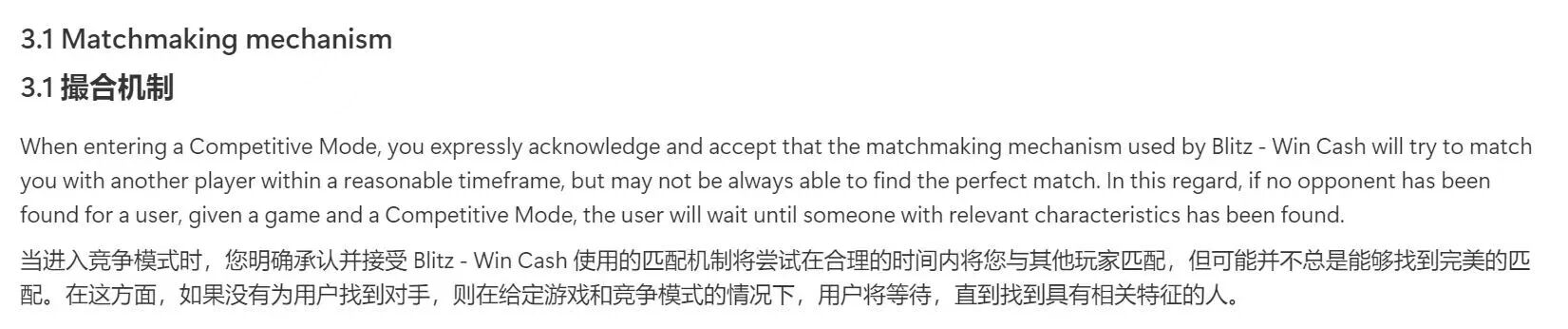
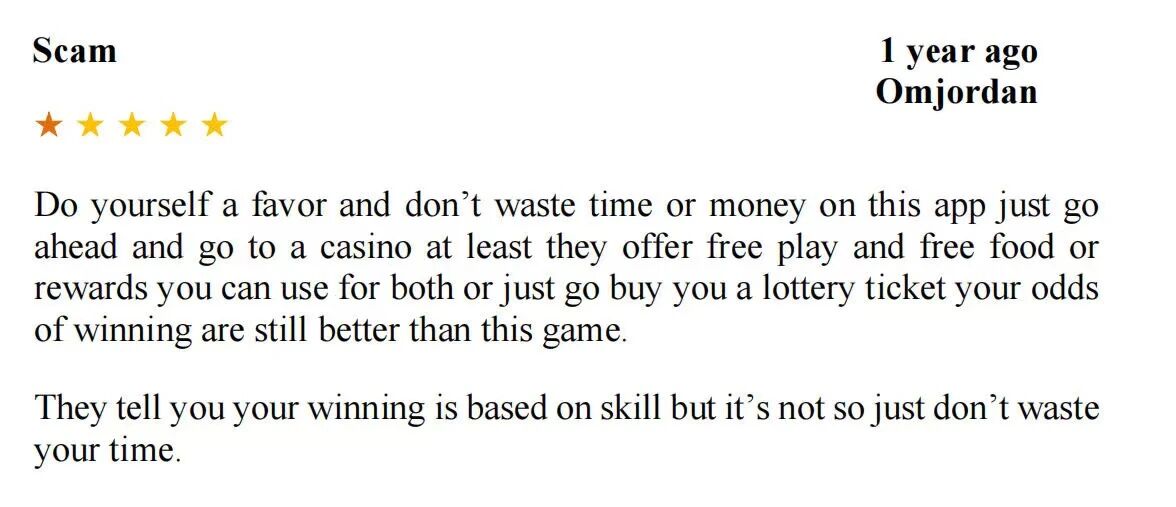
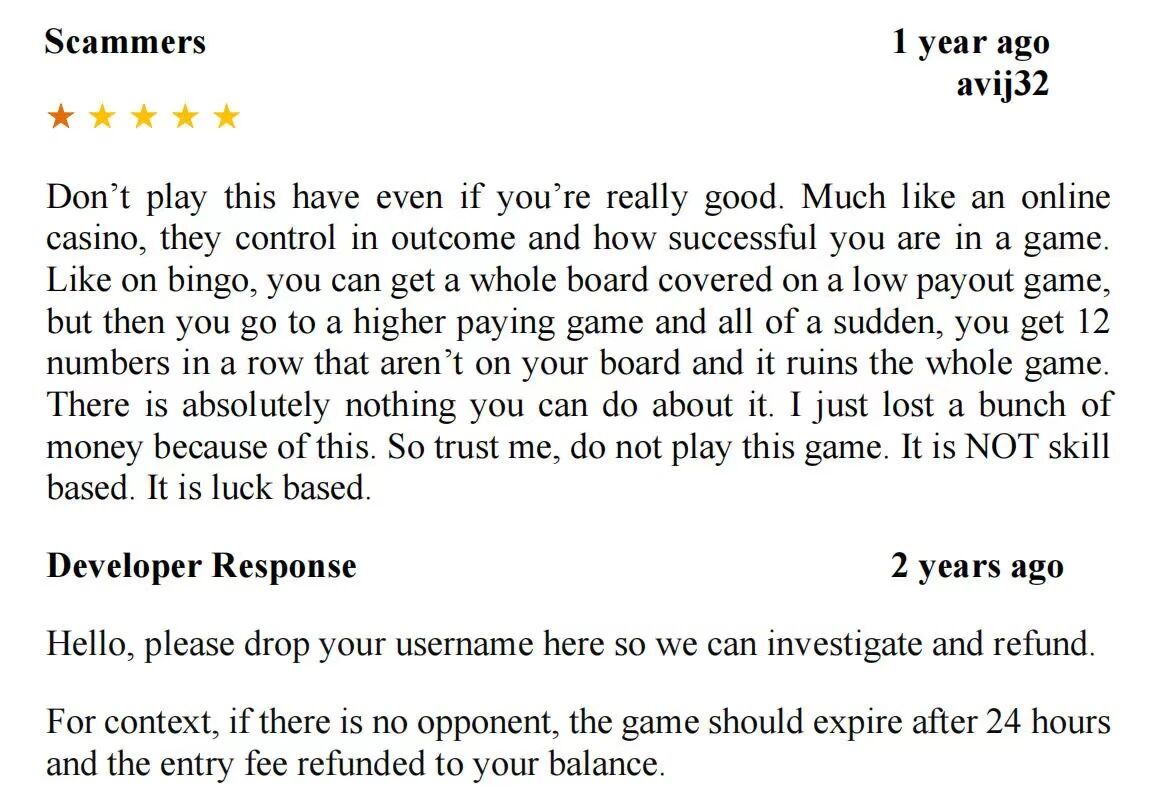
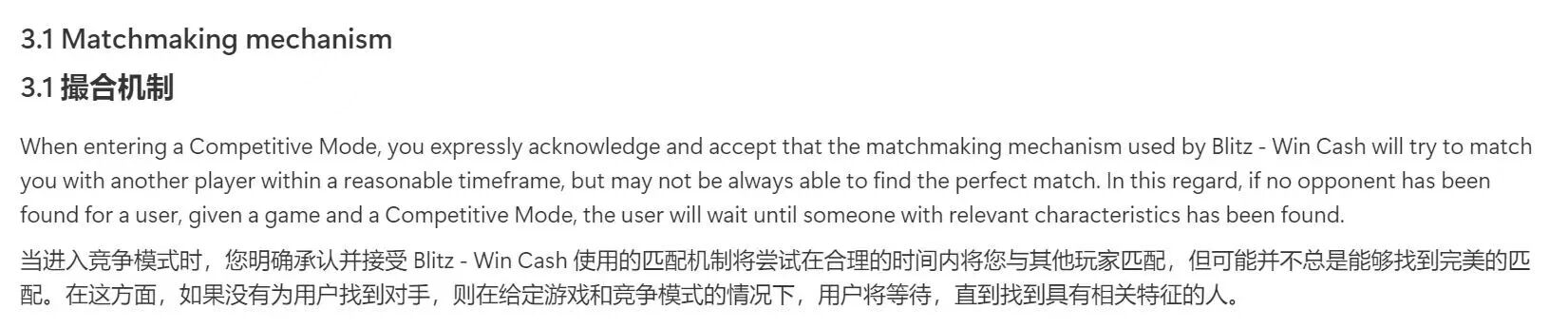
In support of its allegations that Voodoo controls real-player matchmaking through algorithms and introduces bot players, Skillz presented a series of arguments based on analyses of the matching mechanisms and a large volume of negative player reviews.
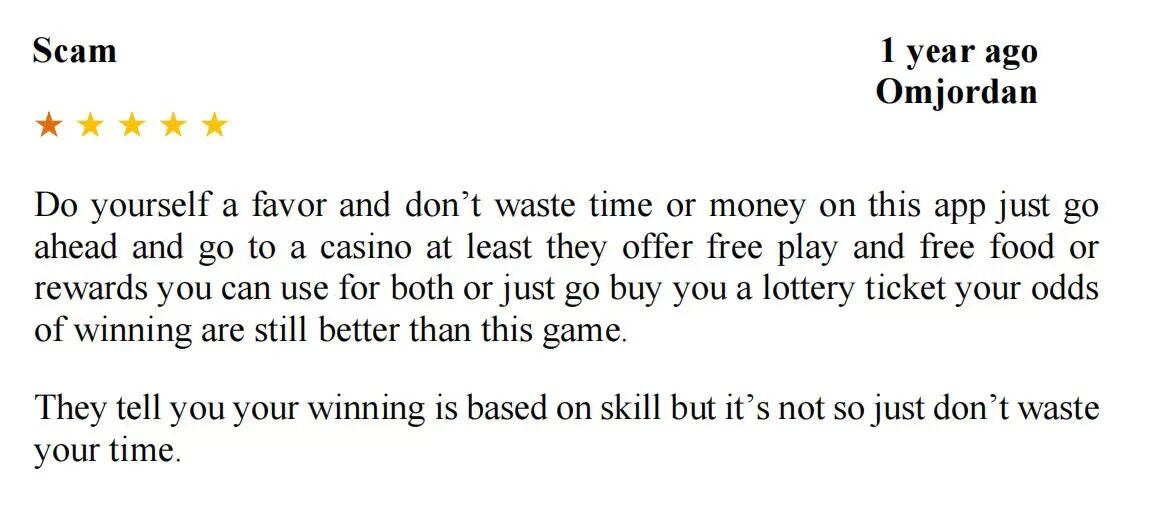
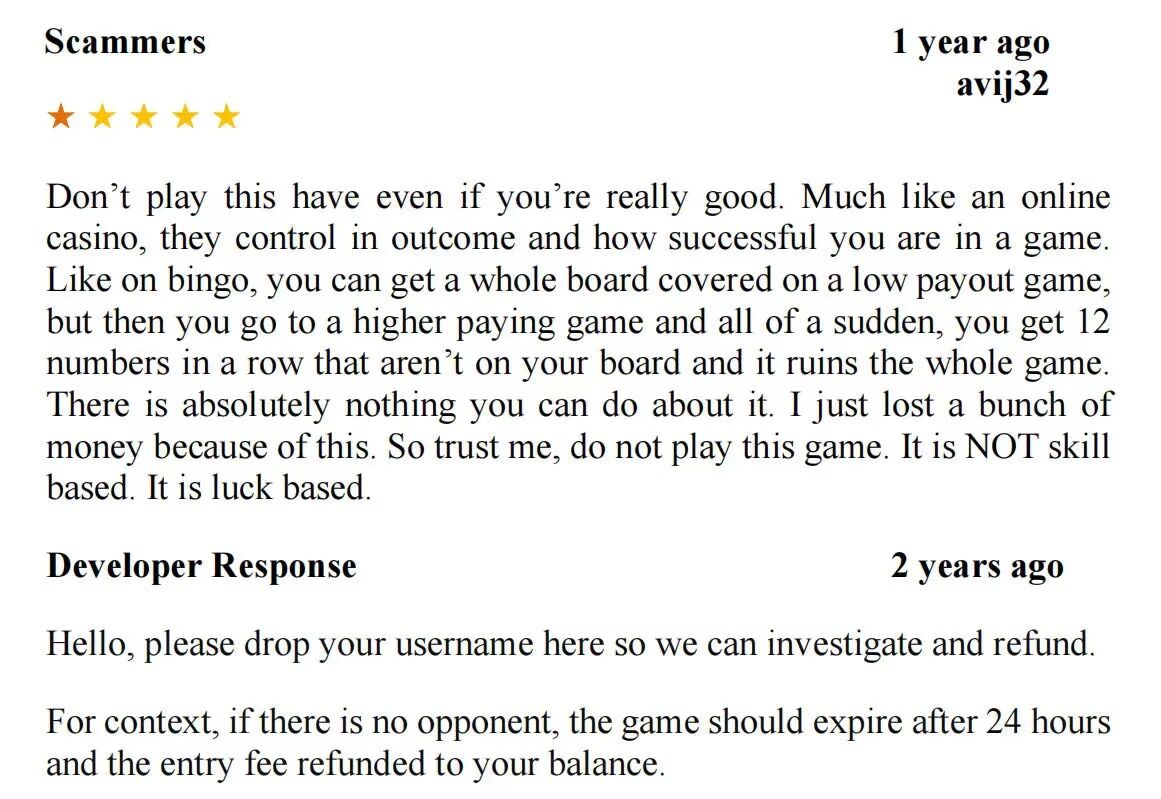
Skillz alleges that Voodoo often assigns real players to specific rankings—typically second or third place—making the results appear plausible. Through such ranking manipulation, Voodoo is able to continuously stimulate players’ desire to compete for the top prize while maximizing the repeated collection of entry fees from players.

With respect to the allegation that Voodoo introduces bot players, Skillz also points to the unusually high efficiency of matchmaking when players enter games on the Voodoo platform. Skillz argues that players are able to match into games within an extremely short period of time at any hour, and that, as an operator of a real-money gaming platform itself, Skillz believes it would be impossible to maintain such continuous matchmaking efficiency around the clock without the use of bot players.

Another basis cited is real-player matchmaking testing. Although specific test results were not detailed in the complaint, Skillz stated that when a group of real players with similar skill levels simultaneously initiated matchmaking for the same game, they rarely encountered each other in the same match. Skillz further alleged that the same “player” appeared to participate in multiple matches simultaneously. These anomalies, according to Skillz, further indicate the possibility that Voodoo manipulates matchmaking and deploys bot players.
As for relief sought, Skillz has requested that the court issue appropriate injunctive relief against Voodoo, requiring the removal of all false or misleading advertisements in order to remedy the adverse effects such advertising has had on consumers. Skillz also seeks to require Voodoo to rectify its alleged practices of algorithmically controlling matchmaking and introducing bot players, to cease the use of bot players, and to issue written corrective notices to game users. In addition, Skillz seeks compensation for economic losses it claims to have suffered due to user attrition resulting from Voodoo’s allegedly unlawful operations.
Skillz’s lawsuit against Voodoo highlights the importance of fairness in the real-money gaming sector and exposes potential gaps in ensuring game integrity and protecting consumer rights. Real-money games rely on promises of skill-based competition and fairness to attract users, and any deviation from these principles may undermine player trust and damage the industry’s reputation. To balance gameplay experience and consumer protection, game publishers must assume responsibility for ensuring that game design and operational practices are fair and impartial. This includes transparency in matchmaking mechanisms, avoiding the use of algorithms that may manipulate outcomes, and ensuring that no hidden economic interests harm players’ interests.